Portrait of Sheikh Md. Kibria

Product engineering, systems architecture, AI engineering, full-stack execution, infrastructure, technical leadership.

Software Engineer

I Turn AmbiguousProduct Ideas IntoShipped Software

View Resume

Sheikh Md. Kibria

Founding Fullstack Engineer

  • B.Sc. in CSE, University of Dhaka
  • 6+ Years of building software

Experience

Where I’ve Built

  1. 2023 — Present

    Shaped.AI

    Founding Software Engineer

    Recommendation / search / analytics systems

  2. 2022 — 2023

    OpenAI

    Prompt Engineer

    Programming / Reasoning / Model Training / Tools

  3. 2022

    Zoop.One

    Senior Software Engineer

    Real-time collaboration / Contracts / Distributed systems

  4. 2021 — 2022

    MoEVing

    Software Engineer

    Mobility / Backend systems / 10K+ daily users

  5. 2020 — 2021

    TigerIT

    Software Engineer

    Real-time multiplayer systems

  6. 2020

    Enosis Solutions

    Software Engineer

    Development / Engineering support / Product delivery

Selected Work

Products I’ve Taken From Zero To Shipped

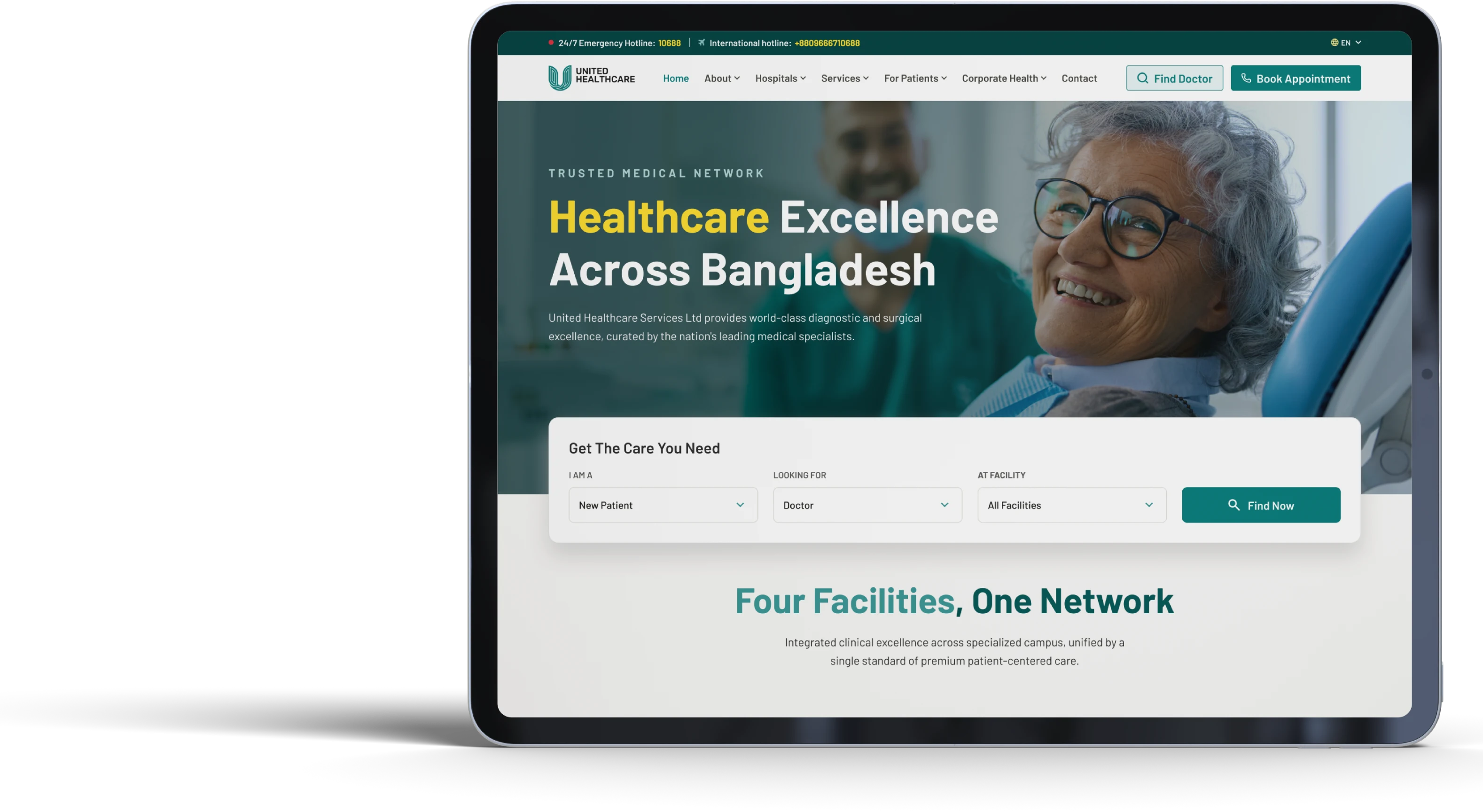
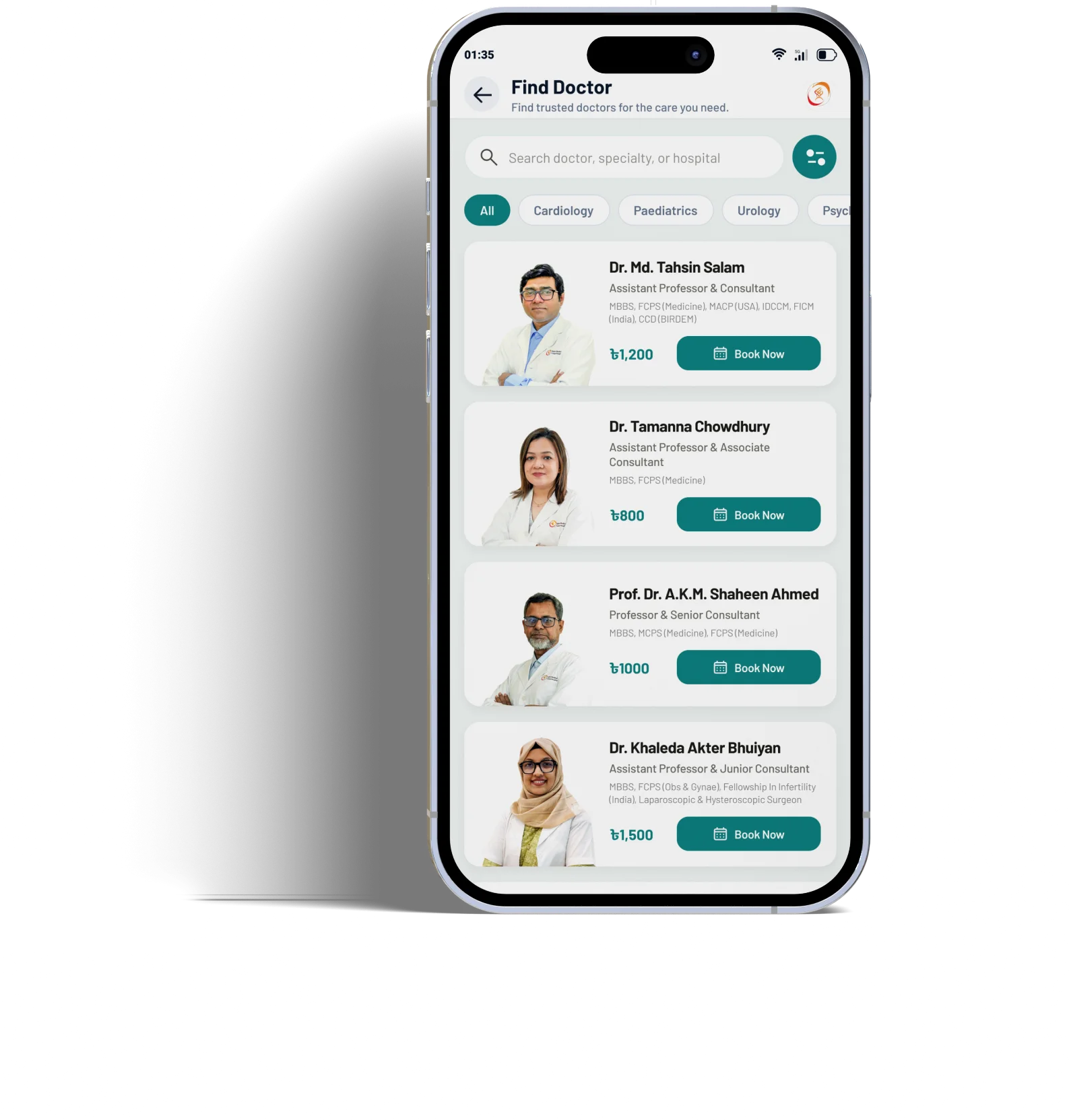
United Healthcare website on a tabletUnited Healthcare mobile app

United Healthcare

A clearer digital
healthcare experience

A unified healthcare experience helping patients discover doctors, access diagnostics, manage bookings and health records, and navigate hospital services across web and mobile.

View Case Study
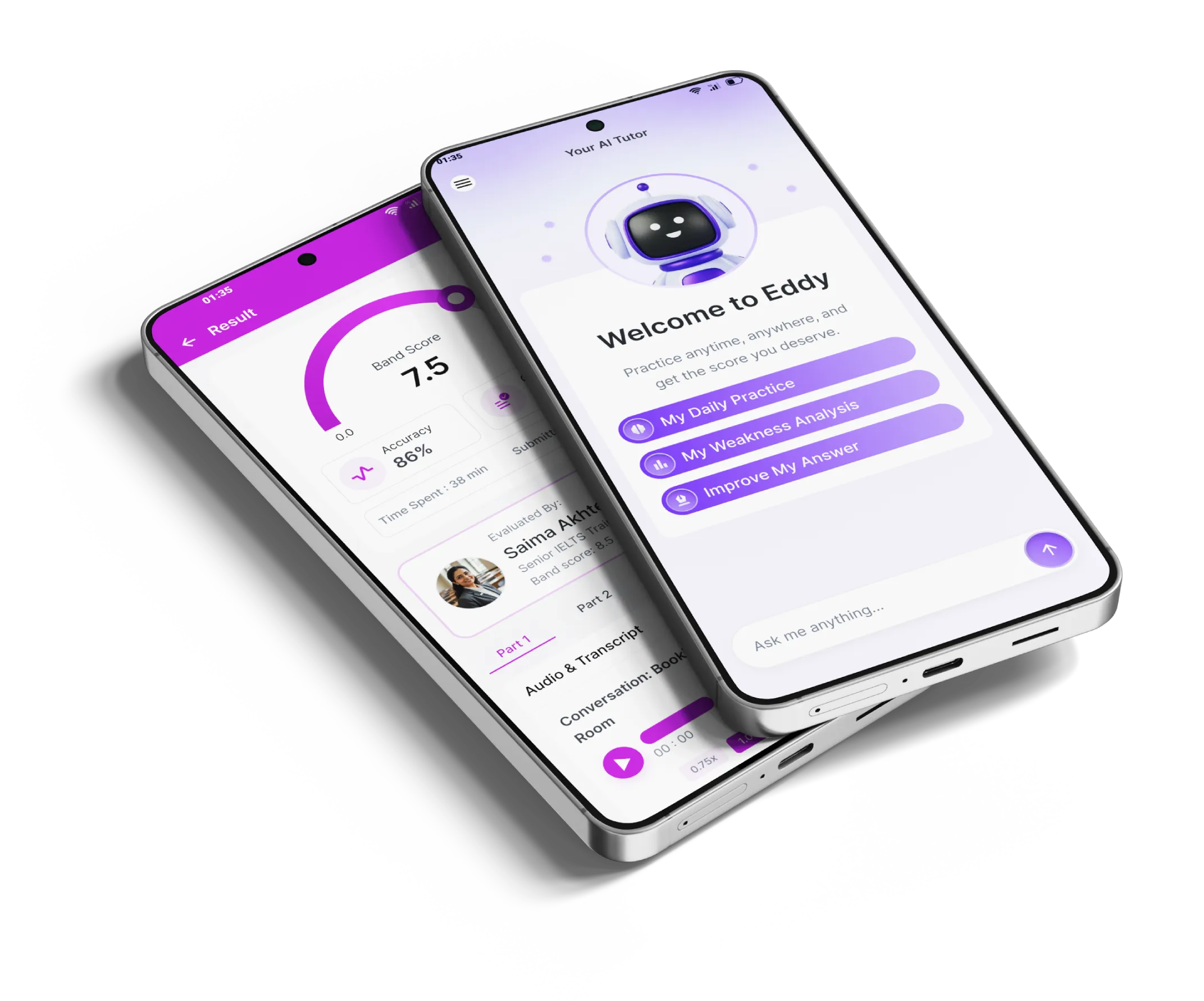
IELTS Edulytics mobile app screens

IELTS Edulytics

An end-to-end
IELTS learning platform.

A personalised learning and assessment platform combining IELTS practice, mock exams, AI evaluation and feedback, speaking, analytics, and adaptive learning experiences.

View Case Study
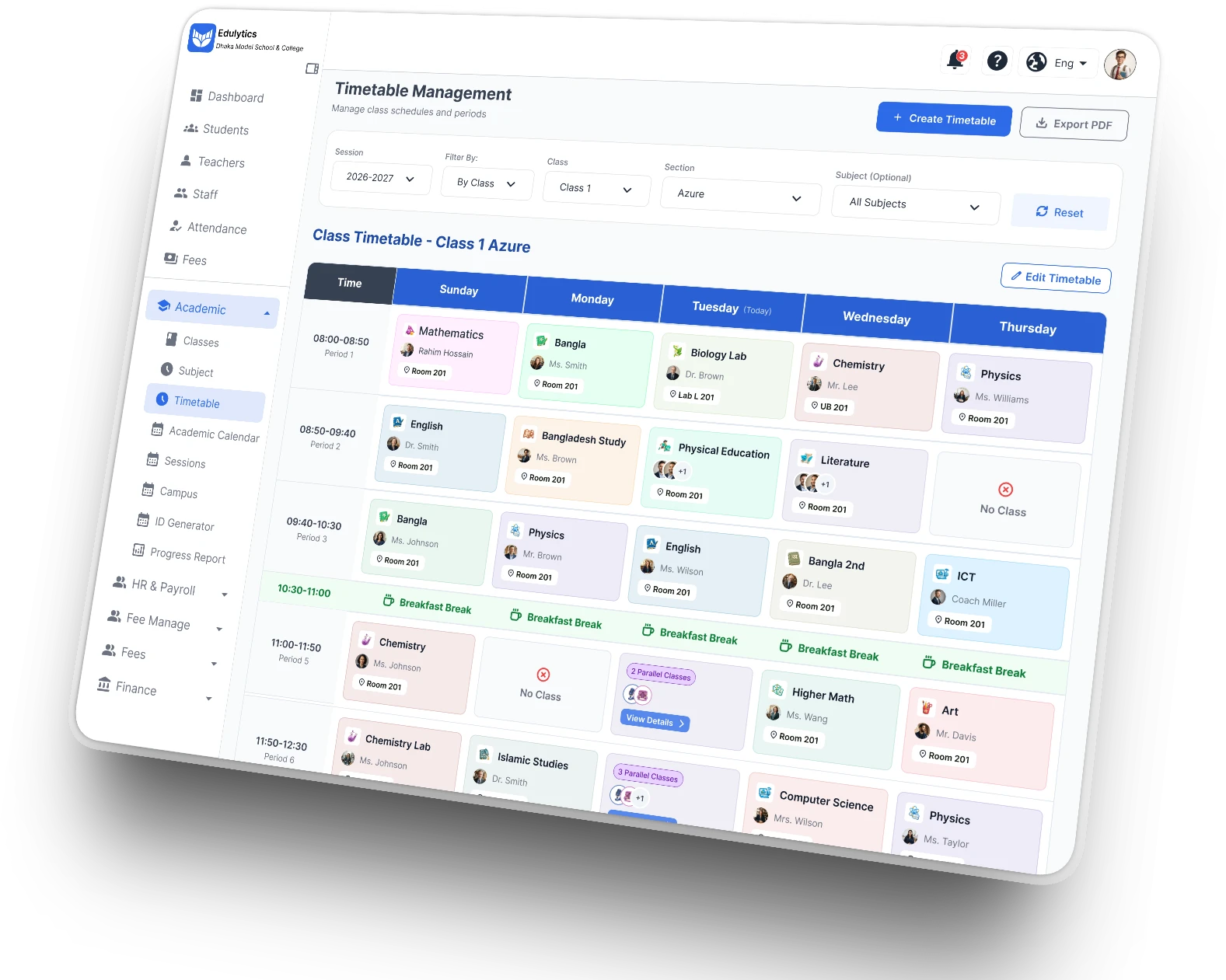
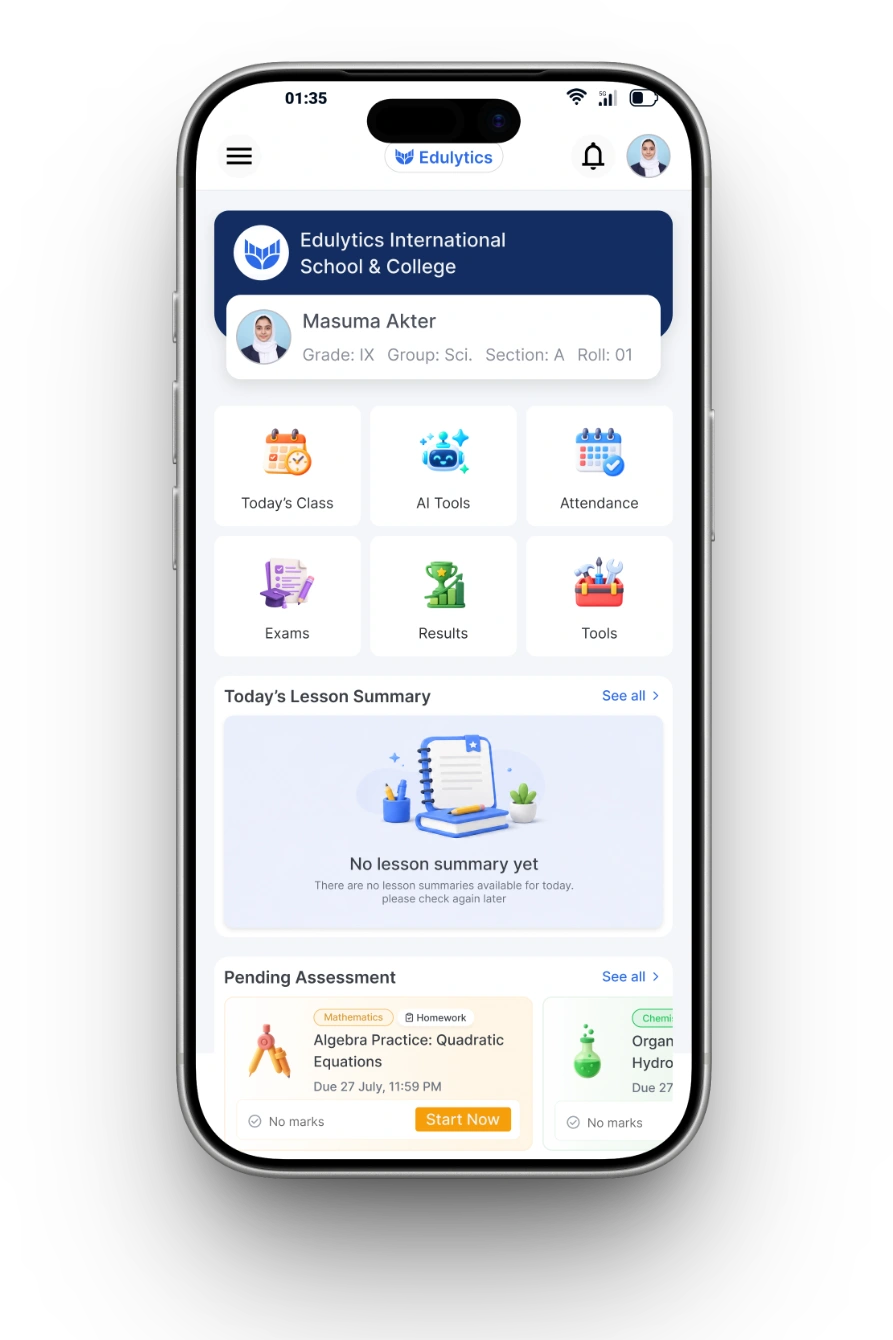
Edulytics timetable dashboard on a tabletEdulytics mobile app

Edulytics

AI-native school
management platform

A connected school operating system bringing academics, administration, finance, communication, analytics, mobile experiences, and AI-powered workflows into one platform.

View Case Study

Capabilities

What I Can Own

  • Product Engineering

    interface ProductPlan {
    workflows: string[];
    successMetric: string;
    }
    async function shipProduct(plan: ProductPlan) {
    const scope = defineScope(plan);
    const product = await implement(scope);
    await validateWorkflows(product);
    return deploy(product);
    }
    /**
    * I work beyond implementation — turning incomplete
    * requirements into products that people can
    * actually use.
    *
    * At Edulytics, I worked across product
    * architecture, school workflows, dashboards, AI
    * features, mobile experiences, and delivery. For
    * IELTS Edulytics, I helped translate learning
    * requirements into assessment, personalisation,
    * and AI-powered product workflows.
    *
    * With United Healthcare, the work involved turning
    * complex business and healthcare requirements into
    * clear information architecture and frontend
    * experiences. At Shaped, I worked across the
    * customer-facing analytics product, from product
    * requirements through APIs and UI.
    */
    main0 problemsLn 31, Col 4UTF-8TypeScript
  • AI Engineering

    def evaluate_response(model, user_input, rubric):
    context = retrieve_context(user_input)
    response = model.generate(user_input, context)
    result = validate_output(response, rubric)
    return {
    "feedback": result.feedback,
    "score": result.score,
    "next_steps": personalise(result),
    }
    # I think about AI as one part of a product system —
    # not as a standalone chatbot or API call.
    #
    # At OpenAI, I worked on projects involving
    # programming, reasoning, tools, browsing, Python,
    # JavaScript, and algorithmic problem solving. With
    # IELTS Edulytics, AI became part of an assessment
    # and learning flow: user input, evaluation,
    # structured output, validation, feedback, and
    # personalisation.
    #
    # In Edulytics, AI sits inside broader school
    # workflows rather than being isolated from the
    # product. My work at Shaped also gave me experience
    # around ML-driven product and analytics systems.
    main0 problemsLn 25, Col 50UTF-8Python
  • Systems Architecture

    package architecture
    type System struct {
    API APIGateway
    Services []Service
    Storage DataLayer
    }
    func Design(c Constraints) System {
    return System{
    API: NewGateway(c),
    Services: PlanServices(c),
    Storage: SelectStorage(c),
    }
    }
    // I design systems around the problem and its
    // constraints — not around using more technologies.
    //
    // At Shaped, I worked on an analytics architecture
    // using Next.js, FastAPI, MySQL, and ClickHouse. At
    // Zoop.One, I designed backend architecture for
    // real-time document workflows using WebSockets,
    // Redis, Node.js, and MongoDB.
    //
    // At MoEVing, I worked on backend systems, database
    // schemas, and GraphQL/REST APIs supporting
    // products with 10,000+ daily users. These projects
    // required thinking about data flow, communication,
    // persistence, scalability, and how different parts
    // of the system fit together.
    main0 problemsLn 31, Col 31UTF-8Go
  • Backend Engineering

    import express from "express";
    const app = express();
    app.use(express.json());
    app.post("/workflows", async (req, res, next) => {
    try {
    const input = validateWorkflow(req.body);
    const workflow = await saveWorkflow(input);
    await publishEvent("workflow.created", workflow);
    res.status(201).json(workflow);
    } catch (error) {
    next(error);
    }
    });
    // I build reliable backend services with validated
    // APIs, persistent data, real-time workflows, and
    // observable delivery.
    //
    // At Shaped, I worked on an analytics architecture
    // using Next.js, FastAPI, MySQL, and ClickHouse. At
    // Zoop.One, I designed backend architecture for
    // real-time document workflows using WebSockets,
    // Redis, Node.js, and MongoDB.
    //
    // At MoEVing, I worked on backend systems, database
    // schemas, and GraphQL/REST APIs supporting
    // products with 10,000+ daily users. These projects
    // required thinking about data flow, communication,
    // persistence, scalability, and how different parts
    // of the system fit together.
    main0 problemsLn 32, Col 31UTF-8Node.js / JavaScript
  • Founding Engineer

    type LaunchPlan = {
    customerProblem: string;
    milestones: string[];
    };
    async function launch(plan: LaunchPlan) {
    const roadmap = prioritise(plan);
    const team = alignEngineering(roadmap);
    const product = await buildWith(team);
    await shipAndMeasure(product);
    return iterateFromFeedback(product);
    }
    /**
    * I see technical leadership as helping people make
    * clear decisions and move a product forward — not
    * simply having a leadership title.
    *
    * At Shaped, I worked across product architecture,
    * APIs, frontend, and cloud instead of operating
    * inside a narrow engineering layer. At Edulytics,
    * the work involved cross-functional ownership
    * across product, frontend, backend, AI, mobile,
    * and cloud while collaborating with designers and
    * guiding teammates.
    *
    * That experience includes architecture decisions,
    * design collaboration, mentoring, code reviews,
    * technical direction, and cross-team
    * communication.
    */
    main0 problemsLn 31, Col 4UTF-8TypeScript
  • DevOps Engineering

    terraform {
    required_providers {
    aws = {
    source = "hashicorp/aws"
    }
    }
    }
    provider "aws" {
    region = "ap-southeast-1"
    }
    resource "aws_cloudwatch_log_group" "service" {
    name = "/product/service"
    retention_in_days = 30
    tags = {
    Environment = "production"
    }
    }
    # For me, engineering does not stop when a feature
    # works locally. The system still has to be
    # deployed, operated, observed, and scaled in
    # production.
    #
    # At Shaped, end-to-end ownership included cloud
    # deployment. At Zoop.One, I worked with
    # containerised systems using Docker, Kubernetes,
    # and GCP. At MoEVing, the production environment
    # included AWS, Docker, Redis, MySQL, and
    # Elasticsearch.
    #
    # This means thinking beyond deployment itself —
    # into networking, observability, scaling, and the
    # operational cost of keeping software running
    # reliably.
    main0 problemsLn 36, Col 12UTF-8Terraform

Engineering Stories

How I Build

Why ClickHouse for Analytics?

SHAPED

We're with you all the way from the pilot to beyond.

  • Analytics
  • ClickHouse
  • FastAPI
Explore Product

Achievements

A Competitive Foundation

LET’S TALK

Contact

Let’s Discuss an Opportunity